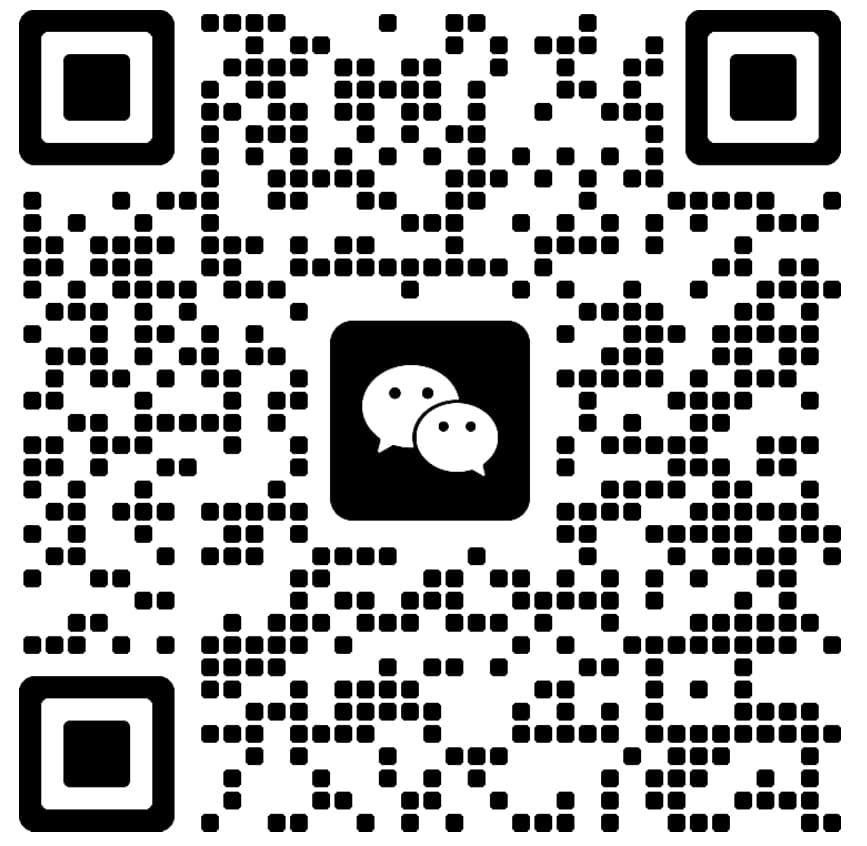
Many flexo shops assume that "more tanks means a better machine" and order the two-tank unit straight away — only to find that short rolls, a simple ink lineup and a modest cleaning load never use the second tank's rinsing station. Others buy the single-tank model first, then switch to water-based and UV inks in rotation and realize they want the wash and rinse steps kept physically apart. Neither buyer chose "wrong." They chose a cleaning workflow without first checking which machine was designed for it. This guide puts both machines side by side on the same facts.
Two Workflow Designs
Both machines belong to Bowin's BW series and share the same cleaning core: 40 kHz ultrasonic cavitation that reaches into the microscopic anilox cells and lifts dried ink; heating with constant temperature control to speed up ink dissolving; a waterproof stainless steel body; and a low-cost consumable formula — ordinary tap water diluted with a small amount of special solvent. Where they genuinely differ is not power or quality, but how the wash and rinse steps are organized.
Single-tank: an integrated, one-chamber workflow
The BW Series Anilox Ultrasonic Cleaning Machine completes washing and rinsing inside one tank, switching between stages by changing the liquid. It uses a suspension-type design with switchable cleaning modes: stable 40 kHz single frequency for routine maintenance of lightly soiled rolls, and a multi-frequency stage that first breaks down stubborn, dried-on deposits at low frequency and then finishes with high-frequency precision cleaning. Nine models from BW-320 to BW-1800 cover anilox roll lengths up to 1860 mm, every model cleans 2 rolls per cycle, and the heating range runs 20–100°C.
Two-tank: a wash-and-rinse separated, closed-loop workflow
The BW Series Two Tanks Anilox Roller Ultrasonic Cleaning Machine physically separates the two processes into two independent stations. The first tank performs ultrasonic deep decontamination with professional cleaning solvent; the second tank runs pure water circulating rinsing. The two tanks have independent operating systems, forming a standardized wash-rinse closed loop that prevents the roller from being re-contaminated by mixed wash and rinse liquid. It is built with a AISI304 outer casing (2 mm) and an AISI316 sink (2.5 mm), runs a fixed 40 kHz industrial-grade ultrasonic system, keeps a 20–80°C constant temperature range, and offers five models from BW-650 to BW-2500 with tank lengths up to 2500 mm.
One sentence to remember the difference: the single-tank machine performs wash and rinse in one chamber and switches by changing the liquid; the two-tank machine isolates the two steps in separate chambers so rinse water never touches cleaning solution.
Side-by-Side: Where the Two Machines Actually Differ
1. Cleaning structure
- Single-tank: integrated one-chamber cleaning; liquid change separates the wash and rinse stages.
- Two-tank: two physically independent tanks — solvent ultrasonic wash in tank 1, pure-water circulating rinse in tank 2 — with independent operation for each stage.
2. Ultrasonic frequency system
- Single-tank: switchable single (40 kHz) and multi-frequency — routine cleaning and periodic deep maintenance on heavily clogged rolls in one machine.
- Two-tank: fixed 40 kHz industrial-grade ultrasonic with high-power transducers, producing uniform cavitation aimed at fine cleaning of roller micro-holes.
3. Heating & constant temperature
- Single-tank: adjustable 20–100°C, suitable for heat-assisted dissolving of dried ink across a wide temperature band.
- Two-tank: adjustable 20–80°C constant temperature, tuned to match different ink cleaning requirements.
4. Material & build
- Single-tank: full waterproof stainless steel shell for durability and safe operation.
- Two-tank: dual-specification body — AISI304 casing (2 mm) resists daily collision and wear, AISI316 sink (2.5 mm) resists long-term solvent corrosion.
5. Roller compatibility
- Single-tank: designed for safe, cell-friendly cleaning of ceramic and chrome anilox rolls.
- Two-tank: wider published compatibility — shaft anilox rollers, sleeve anilox rollers, Mark Andy rollers, Kiddoo rollers and gravure rollers.
6. Size coverage
- Single-tank: 9 models, BW-320 to BW-1800 — anilox roll lengths from 350 mm up to 1860 mm; 2 rolls cleaned per cycle; custom sizes accepted.
- Two-tank: 5 models, BW-650 to BW-2500 — tank lengths from 650 mm up to 2500 mm for long and wide rollers.
7. Water & solution management
- Single-tank: simple workflow — prepare the liquid with tap water plus a small amount of special solvent, change the liquid to switch stages.
- Two-tank: circulating filtration water supply with tap-water circulation and solution filtration recirculation, which filters ink impurities and reduces how often the solution must be replaced.
8. Mobility
- Both machines roll on casters — all-swivel casters on the single-tank unit, adjustable universal casters on the two-tank unit — so either can move between presses in the workshop.
What Each Machine Is Genuinely Best At
The single-tank machine fits well when:
- Your rolls are mostly in the 350–1860 mm range and you clean 2 rolls per cycle in batch maintenance.
- Your longest roll is under 650 mm — the single-tank line is the series that covers small rolls (BW-320 / BW-450), since the two-tank range starts at 650 mm.
- You want one machine that handles both everyday cleaning and periodic deep maintenance through the switchable single/multi-frequency mode.
- You prefer a more compact, integrated footprint and a simpler liquid-handling routine.
The two-tank machine fits well when:
- You run multiple ink systems in rotation (water-based, UV, solvent-based) and want rinse water kept separate from cleaning solution to avoid re-contaminating the roll after washing.
- Batch consistency matters — separating wash and rinse stabilizes long-term color and ink transfer accuracy by giving every roll the same clean finish.
- You maintain long or wide rollers beyond 1860 mm — the two-tank line reaches tank lengths of 2500 mm.
- Your roller mix includes sleeves, Mark Andy, Kiddoo or gravure rollers, not only standard anilox rolls.
- You want to reduce solution replacement frequency through the built-in filtration recirculation system.
How to Decide: A 6-Question Self-Check
- What is your longest roll? Under ~650 mm, the single-tank range (BW-320/BW-450) is the series that fits. Over ~1860 mm, only the two-tank range (BW-2000/BW-2500) reaches. In between, both offer a matching model — move to the next question.
- Which rollers do you actually clean? Only your own flexo anilox rolls → both work. Sleeves, Mark Andy, Kiddoo or gravure rolls in the mix → the two-tank machine's published compatibility list is wider.
- Do your ink systems rotate, and is rinse purity critical? Water-based plus UV/solvent rotation, or sensitivity to leftover wash liquid → the separated two-tank rinse station pays for itself. One dominant ink system with routine maintenance → the single-tank workflow is sufficient.
- What is your cleaning rhythm? Batch maintenance of 2 rolls per cycle → the single-tank machine matches naturally. Very high continuous throughput → confirm the two-tank machine's load method and per-cycle capacity with Bowin before ordering, as it is not published on the page.
- What about space and budget configuration? A compact integrated unit with a simpler liquid routine → single-tank. Two chambers plus filtration recirculation → a larger, more complete configuration, which is what the two-tank machine is.
- Any frequency or temperature preference? A wide 20–100°C band and switchable single/multi-frequency → single-tank. A fixed industrial 40 kHz system with 20–80°C constant temperature and dual-spec stainless steel → two-tank.
Bottom Line
Both machines are capable, professionally built cleaning equipment from the same BW family — the same cavitation technology, the same low-cost tap-water-plus-solvent consumable formula, the same stainless steel waterproof construction. The difference is workflow, not worth. Choose the one-tank machine if an integrated, compact wash-and-change routine covers your roll sizes and ink lineup; choose the two-tank machine if separated wash and rinse, filtration recirculation, and wider roller/length coverage match how your shop actually cleans.
When you are ready to buy, skip the guessing: tell Bowin your longest roll length, ink systems, rollers per day, and roller types (shaft, sleeve, brand-specific). With those four answers they can point to the exact model on either line — because the right choice is the one that matches your workflow, not the one with more tanks.
FAQ
Is the two-tank machine always cleaner than the single-tank?
Not "always cleaner" — differently organized. The two-tank design removes the risk of re-contamination by keeping rinse water apart from cleaning solution. If your bottleneck is rinse purity and batch-to-batch consistency, the separated structure addresses it directly. If your routine is well-managed single-tank cleaning with clean liquid changes, the single-tank machine is a proven route to clean rolls too. It is a workflow decision, not a quality ranking.
Can one machine handle both standard anilox rolls and brand rollers?
The single-tank machine is designed for safe cleaning of ceramic and chrome anilox rolls. The two-tank machine explicitly lists shaft rolls, sleeve rolls, Mark Andy, Kiddoo and gravure rollers as compatible. If your roller mix is diverse, review the two-tank compatibility list and confirm the holding method with Bowin.
My rolls are shorter than 650 mm — can I still buy a two-tank machine?
The smallest two-tank model, BW-650, has a 650 mm tank. For shorter rolls there is no matching two-tank model, which is exactly the gap the single-tank BW-320 and BW-450 models fill. Match the model to your roll length first, then compare workflows.
Do the two machines use different cleaning solutions?
No — both follow the same low-cost recipe: tap water diluted with a small amount of special solvent, with the ratio adjusted to your ink type (water-based, alcohol-based or UV). The two-tank machine adds filtration recirculation on top, which filters ink impurities and stretches the life of each solution charge.
What is the delivery time?
Standard production lead time for both BW series machines is approximately 40 days after deposit confirmation, with installation guidance, operation training and after-sales support included.




 0086 15051421690
 jack@szbowinglobal.com
 Room 2113, Building C, Caizhihui Business Building, No. 11588, East Taihu Avenue, Taihu New Town, Wujiang District,Suzhou,China