
Characteristics and Adaptation Advantages
1. Advantages of Solvent-based Plate Making
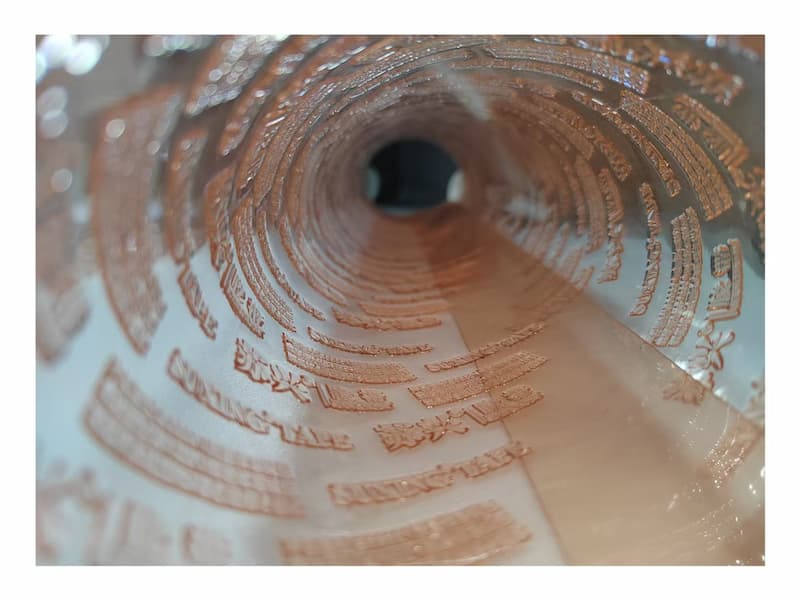
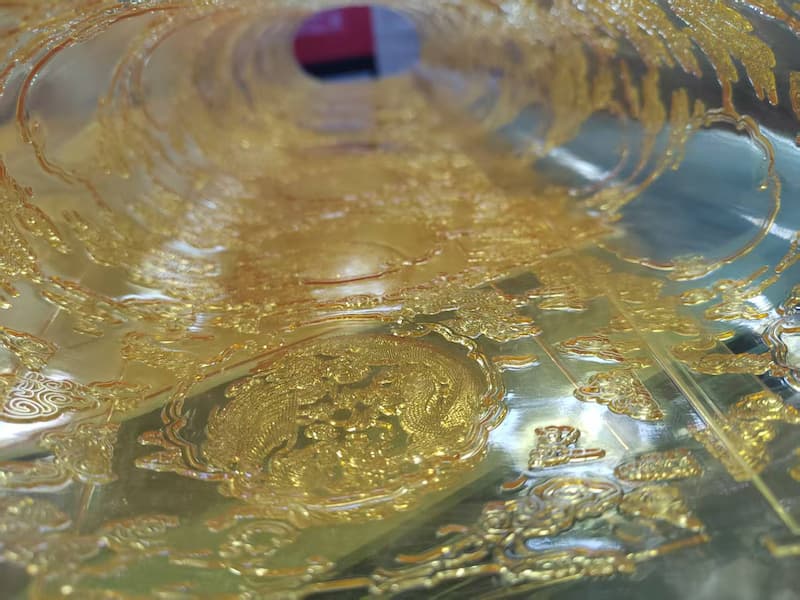
Solvent-based flexographic printing plates adopt a solvent development process, which features high plate-making precision, clear edges of graphics and texts, and can reproduce fine screen dots and small characters, satisfying the clarity requirements for patterns, barcodes and explanatory texts in packaging printing. Meanwhile, the plates have excellent solvent resistance and abrasion resistance, being compatible with various ink systems such as solvent-based and water-based inks.
2.Flexible Adhesiveness
Flexographic printing plates are inherently elastic. The 1.14mm-thick plates can fit well on printing cylinders. When printing on non-absorbent substrates(such as plastic films), they can effectively reduce printing defects caused by the uneven surface of the substrates.
Main Application Areas
1. Plastic Flexible Packaging Printing
This is the core application field of 1.14mm solvent-based flexographic plates, covering food packaging bags (e.g., snack bags, fresh-keeping bags for fresh produce), daily chemical product packaging bags (e.g., laundry detergent bags, cosmetic sample bags), and pharmaceutical packaging composite films. Most of these packages adopt plastic films like BOPP, PET and PE.
2. Label Printing
They are suitable for self-adhesive labels, shrink film labels, especially mid-to-high-end labels (e.g., beverage bottle labels, daily chemical bottle labels).
1.14mm plates can accurately reproduce fine patterns, variable barcodes and multi-color overprinting content on labels. Their printing speed matches the production rhythm of label printing machines, balancing efficiency and quality.


 0086 15051421690
 jack@szbowinglobal.comamy@szbowinglobal.com
 Room 2113, Building C, Caizhihui Business Building, No. 11588, East Taihu Avenue, Taihu New Town, Wujiang District,Suzhou,China